Gas detection systems are meant to provide early warning when hazardous conditions develop. When detection fails, workers and facilities lose critical time to respond and small issues can quickly become serious safety incidents.
Across many industries, gas related accidents are often linked not to unexpected leaks, but to monitoring gaps or improperly maintained equipment. At Gas Sensing, we are here to help!

The Risks of Detection Failure
When hazardous gases go unnoticed, facilities may experience:
- Worker exposure to toxic or oxygen deficient atmospheres
- Fire or explosion hazards
- Production shutdowns
- Regulatory investigations or fines
The Occupational Safety and Health Administration identifies hazardous atmospheres as a major workplace danger, especially during maintenance and confined space work.
Why Gas Detection Systems Fail
Most failures come down to preventable issues, including:
- Lack of routine calibration
- Improper monitor placement
- Unmonitored temporary work areas
- Overreliance on fixed detection alone
OSHA recommends continuous atmospheric monitoring since many gases cannot be detected by human senses.
Key Safety Lessons
Reliable gas safety programs focus on consistency:
- Maintain and calibrate equipment regularly
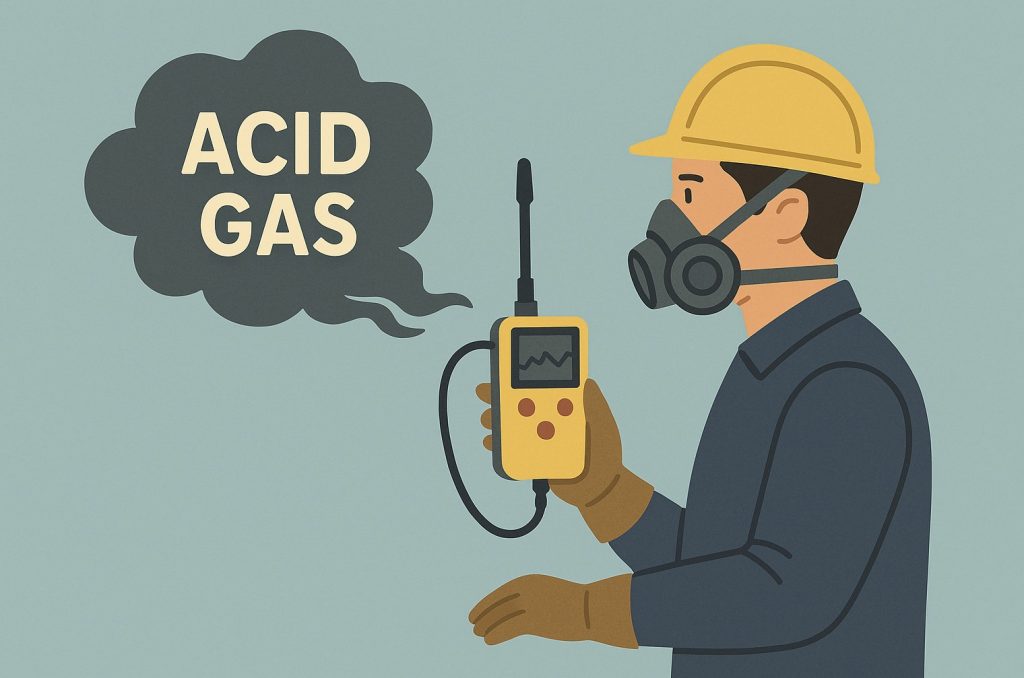
- Use portable monitors during maintenance
- Test confined spaces before entry
- Train employees to respond to alarms
Prevention Starts with Reliable Monitoring
Gas detection failures are rarely sudden. They are usually the result of missed maintenance or incomplete monitoring coverage.
With proper equipment and routine testing, facilities can detect hazards early and prevent costly incidents before they occur.
Effective gas detection is not just equipment. It is preparation.