Gas Leak Detection and Workplace Safety | Gas Sensing LLC
Gas leaks often start small but can quickly become expensive problems. A minor equipment failure or unnoticed release can lead to production delays, safety risks, and regulatory issues that impact both workers and operations.
The reality is simple. One undetected gas leak can cost thousands in downtime, repairs, and compliance penalties. Most of these incidents, however, can be avoided with proper monitoring.
The Financial and Safety Impact
When hazardous gases are released, the effects go beyond immediate safety concerns. Facilities may face:
Interrupted operations and lost productivity
Emergency response or evacuation costs
Equipment damage
Product loss or contamination
Regulatory violations
The Occupational Safety and Health Administration identifies hazardous atmospheres as a major workplace risk, especially during maintenance activities and confined space entry where gas buildup can occur quickly.
Why Gas Leaks Are Often Missed
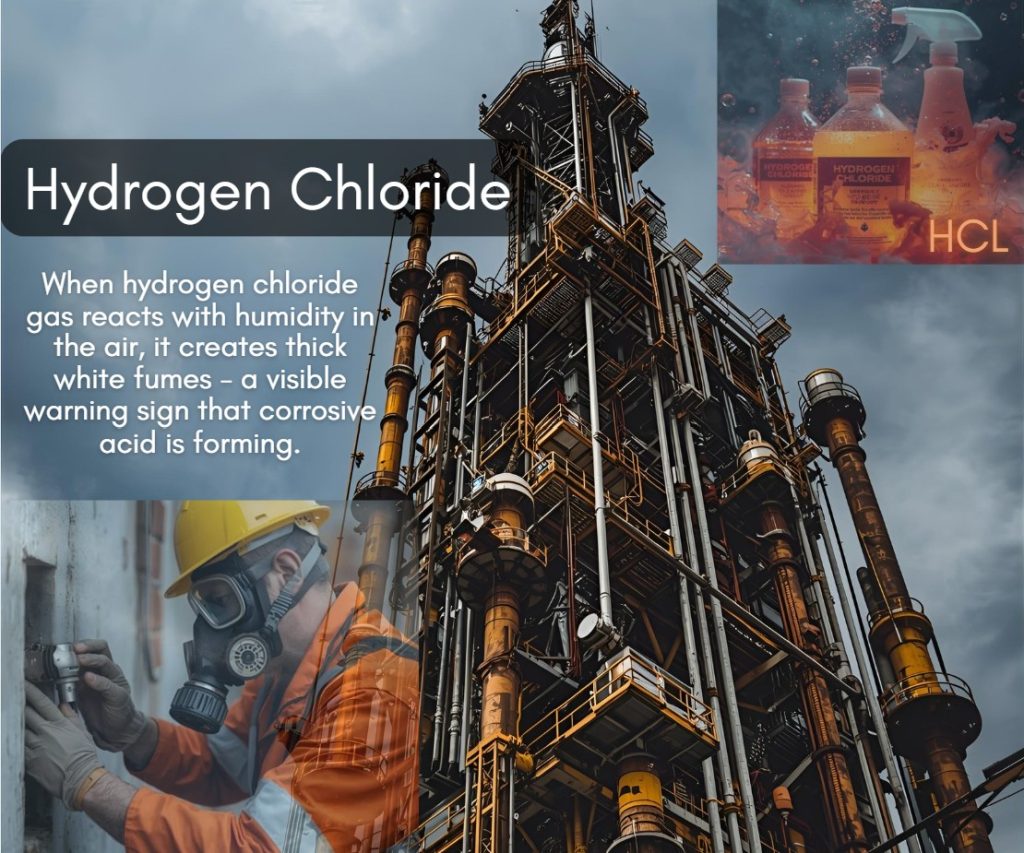
Many gases cannot be detected by smell or sight, and oxygen deficient environments provide little warning before becoming dangerous. Because of this, relying on routine walkthroughs or human senses leaves facilities vulnerable.
Guidance from the National Institute for Occupational Safety and Health stresses atmospheric monitoring as a critical safety measure, since unsafe gas levels may develop without obvious signs.
Areas with higher risk typically include mechanical rooms, processing spaces, storage systems, and confined or poorly ventilated locations.
Preventing Problems Before They Escalate
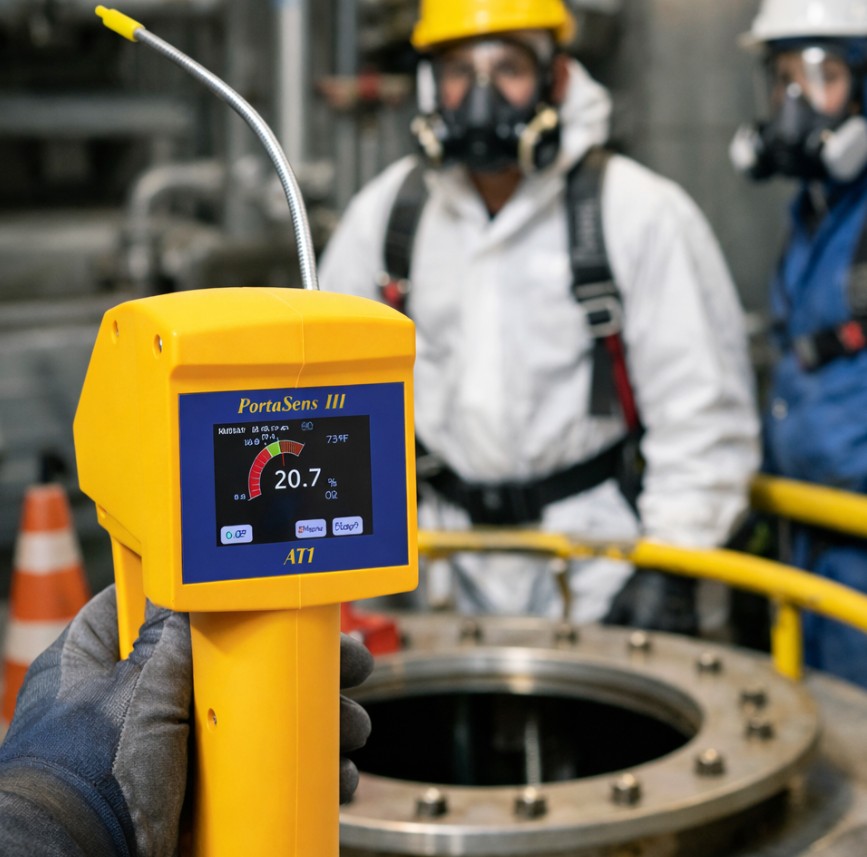
Gas detection programs focus on identifying hazards early. Portable monitoring equipment allows teams to check air quality during inspections, maintenance work, or confined space entry, helping locate issues before they disrupt operations.
Early detection allows maintenance teams to address leaks during scheduled repairs instead of emergency shutdowns.
Practical Steps to Reduce Risk
Facilities can significantly lower gas related risks by adopting consistent safety practices:
- Perform routine leak checks
- Use portable gas monitors in higher risk areas
- Test confined spaces prior to entry
- Maintain calibration and equipment accuracy
- Train employees on hazard awareness and response
These steps improve safety while supporting compliance and operational continuity.
Prevention Is the Most Cost Effective Solution
Gas leaks cannot always be prevented, but their impact can be controlled. Monitoring workplace atmospheres helps protect employees, maintain compliance, and avoid unnecessary downtime.
Gas Sensing LLC works with facilities across multiple industries to support safer environments through reliable gas detection solutions and monitoring programs.
Detecting a leak early is far less costly than responding to one too late. Contact us today!